Industrial bearing thinking begins with tapered roller geometry and the need to control friction under combined load.
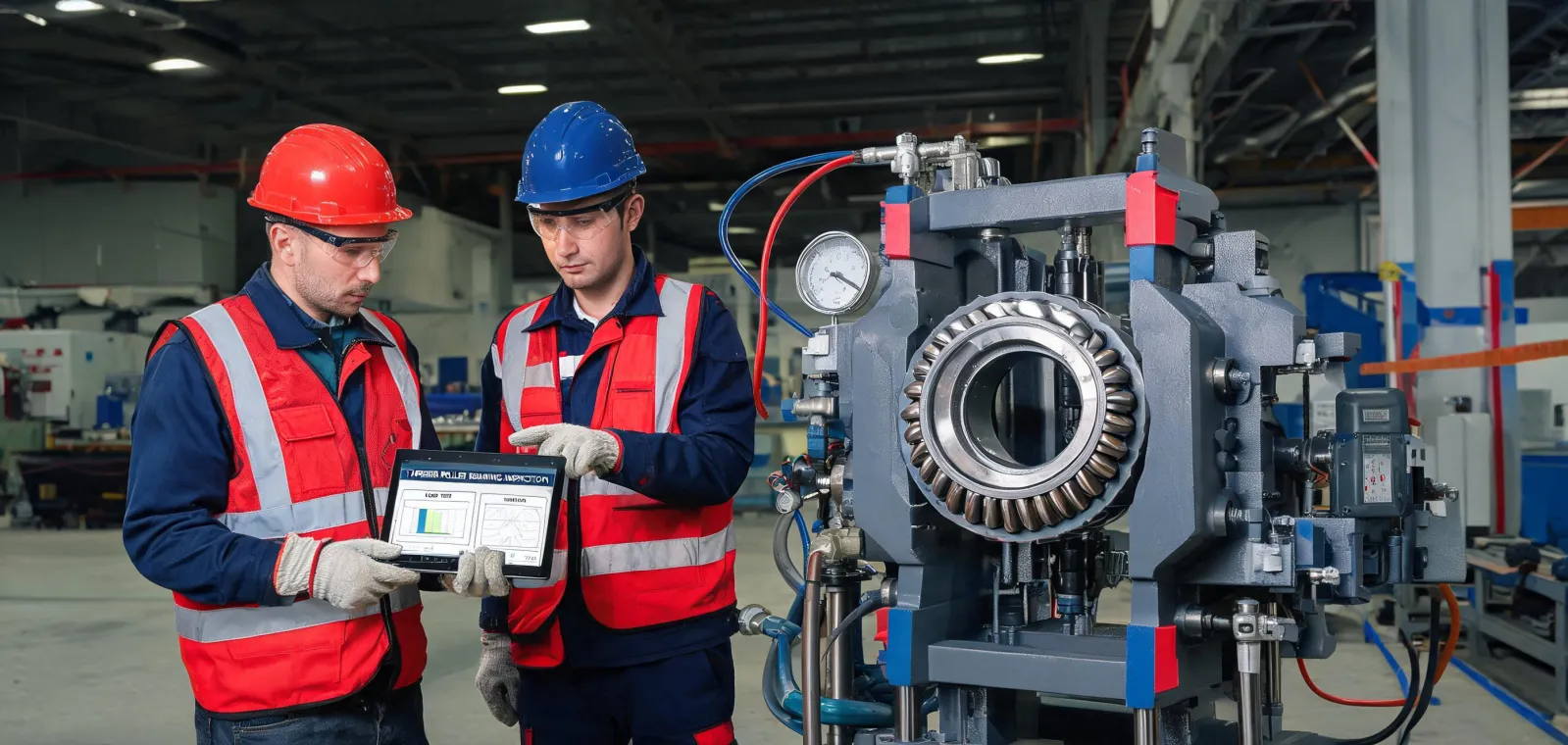
A bearing partner shaped by heavy industrial service
Timken Bearings is presented here as a reliable engineering and channel partner for plants and OEM teams that need traceable bearing decisions, not vague catalog promises.
Rail, off-highway and process industries push bearing programs toward traceability, heat treatment discipline and service data.
Global OEM supply chains require repeatable quality systems, controlled changes and regional distributor support.
Wind, mining, metals and mobility projects demand larger bore ranges, cleaner documentation and faster engineered interchange support.
The company story behind this site is intentionally practical. Buyers of industrial bearings rarely need theatrical claims; they need a partner that can translate load conditions into parts, documents and channel actions. That mindset is reflected in the way Timken Bearings content is organized. Product families are framed by duty, not merely by names. Service language explains what engineers require before they can make a responsible recommendation. Sustainability focuses on longer life, repairable assemblies and energy lost to friction rather than abstract statements. The tone is conservative because bearings sit deep inside critical equipment. When a wind turbine main shaft, rail axlebox, mining conveyor or rolling mill stand fails, replacement cost is only part of the damage. The surrounding schedule, crane availability, safety risk and production loss all matter. Timken Bearings therefore treats reliability as a chain of decisions: steel and heat treatment, geometry, internal clearance, seal choice, lubricant, installation discipline, distributor availability and inspection feedback. The brand is reliable because it keeps those decisions visible.
Working teams
People around the bearing decision
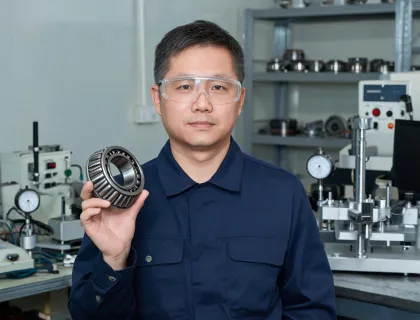
Application Engineers
Review shaft, load, rpm and life assumptions.
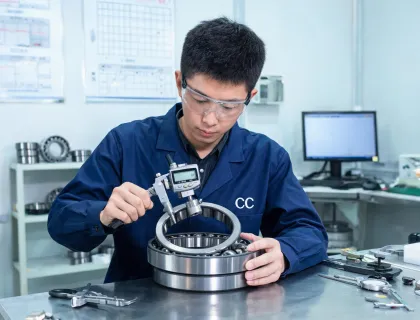
Quality Inspectors
Maintain traceability, inspection plans and lot discipline.
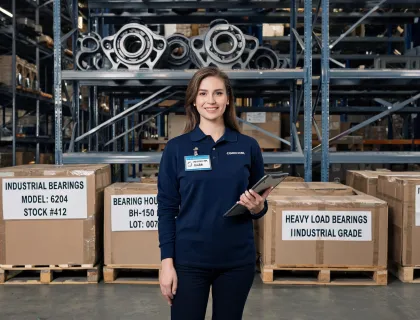
Channel Coordinators
Connect specifications with regional stock and lead times.
ISO 9001:2015IATF 16949AAR M-2003API Q1CE
Bring us the operating problem behind the part number
We will help frame the bearing choice around measurable duty, documentation and channel reality.
Talk to a Spec Engineer